Witness the Wild Maasai Mara: safari adventures in Kenya's legendary wildlife reserve
The Maasai Mara is where Africa's greatest wildlife spectacle unfolds across endless golden plains. Our expert guides will take you on game drives to witness lions on the hunt, elephants crossing the savannah, and during migration season, millions of wildebeest thundering across the Mara River. From sunrise safaris when predators are most active to sundowners overlooking the vast grasslands, these authentic Kenyan adventures create memories that last a lifetime.
Our top Maasai Mara safari tours put you in the heart of the Great Migration river crossings and Big Five action with unlimited game drives at dawn and dusk in open 4×4s. 3-8 day trips from Nairobi, small groups of 6 max, pro driver-guides, and front-row seats to the wildest show on Earth.
Masai Mara Jeep safari – private Land Cruiser game drives with expert driver-guide, track the Big Five (lion, leopard, elephant, buffalo, rhino) plus cheetahs, hippos and vast savannah wildlife, comfortable camp/lodge accommodation and select meals included.
Masai Mara Reserve wildlife spectacle – track the legendary wildebeest migration (July-Nov) with over 1.5 million animals, multiple game drives across endless savannah for lions, cheetahs, elephants and Big Five, comfortable camp/lodge stay, all meals, park fees and Nairobi transfers included (3 days).
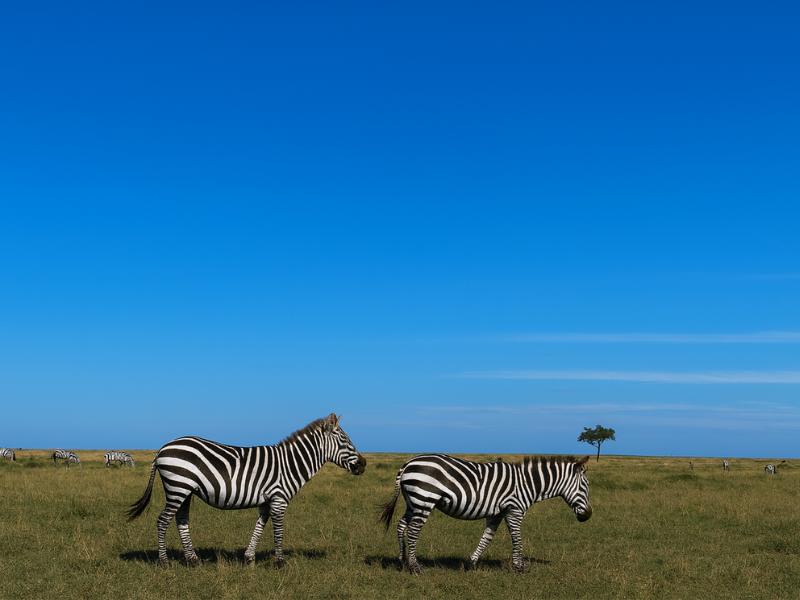
Scenic Masai Mara safari from Nairobi via Great Rift Valley, one full-day plus two half-day game drives across the vast reserve, hunt Big Five, lions, cheetahs, elephants, zebras and hippos, comfortable camp/lodge stay, all meals, park fees and transfers included (3 days).
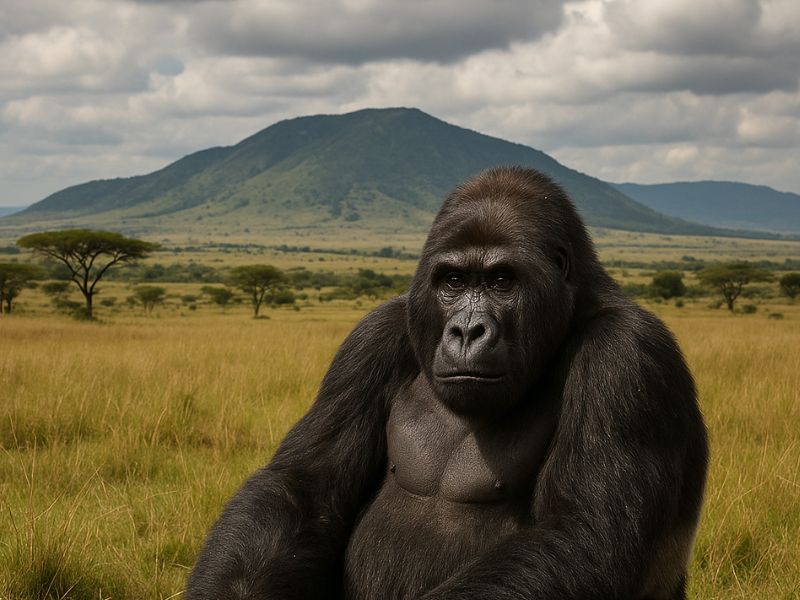
Start with thrilling Big Five game drives in the legendary Masai Mara and an authentic Maasai village visit. Cross into Uganda for chimp trekking in Kibale’s rainforest, spot elephants and hippos in Queen Elizabeth NP, then head deep into misty Bwindi for the once-in-a-lifetime gorilla encounter. Wrap up in Rwanda with a moving visit to the Kigali Genocide Memorial and lunch at the G for Good Nyamirambo Women’s Centre. All transport, comfortable lodges/camps, most meals, park fees, expert CEOs and the unforgettable gorilla permit included. Pure East African magic from savannah to mountain gorillas.
Our one-day Maasai Mara safari tours fly you from Nairobi at dawn for a full 6-hour game drive hunting lions, cheetahs, and migration herds, then back before dark. No overnight, maximum animals, small groups, zero wasted hours on the road.
Ol Pejeta Conservancy full-day safari from Nairobi – morning and afternoon game drives in East Africa’s largest black rhino sanctuary, visit the last northern white rhinos, prime watering-hole views at the lodge, hotel pickup/drop-off, entrance fees and private transport included.
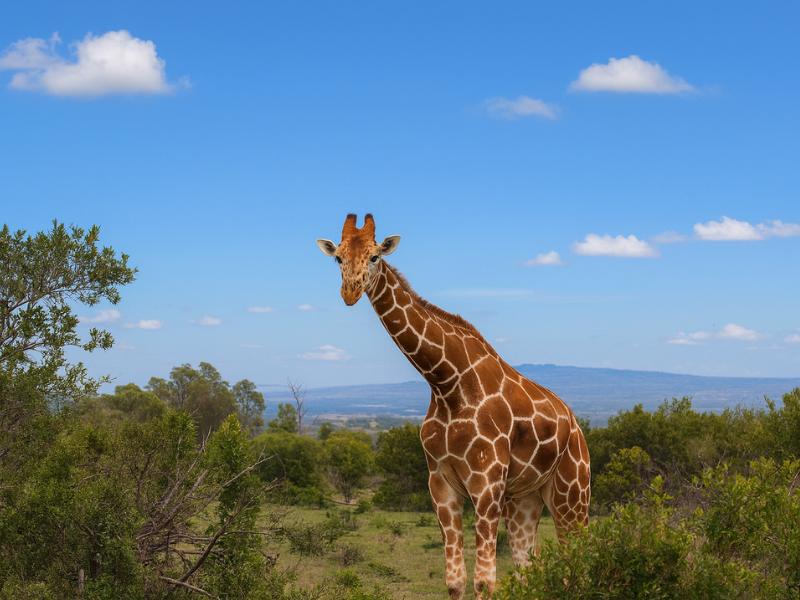
Full-day Masai Mara adventure from Nairobi – early 4:30 AM start for scenic Rift Valley drive, all-day game drives in shared van or upgraded 4×4 Land Cruiser spotting Big Five, cheetahs, giraffes and zebras, packed picnic lunch, optional Maasai village add-on, return to hotel by 8:30 PM with professional guide and park fees included.
Early-bird Masai Mara adventure – seamless Nairobi hotel pickup, all-day open-roof game drives hunting cheetahs, lions, leopards, elephants, rhinos and endless savannah wildlife, professional driver-guide, packed lunch and park fees included, evening drop-off.
Our multi-day Maasai Mara safari tours include 2-7 night lodge or luxury camp stays with twice-daily game drives across the Mara Triangle, Talek, and reserve edges. Small groups, expert guides, sunrise coffee with lions, sundowners with hippos, total savannah takeover.
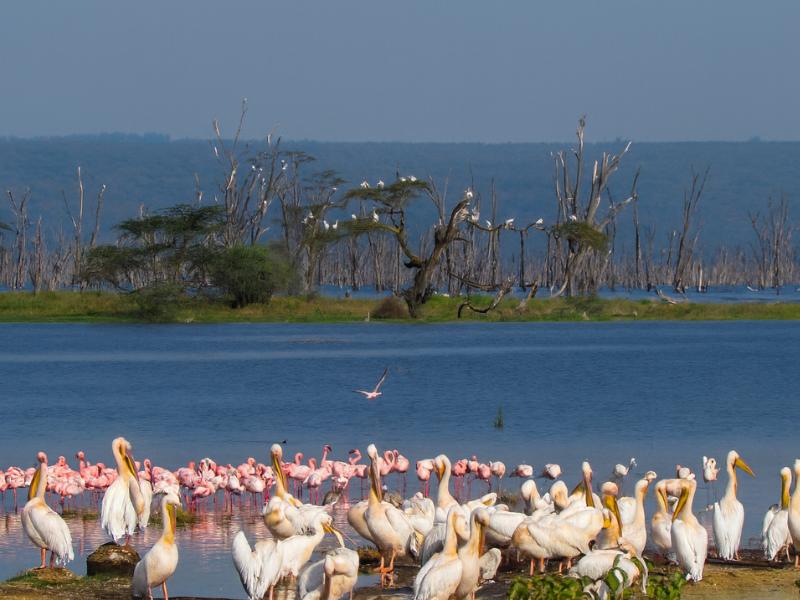
Kenya wildlife & Rift Valley highlights – two days deep in Masai Mara chasing Big Five and the great migration (seasonal), then Lake Nakuru for white rhinos, flamingo flocks and 450+ bird species, Great Rift Valley viewpoints en route, comfortable lodges, all meals, private 4×4 game drives and park fees included.
Budget group safari across Kenya’s icons – flamingo-filled Lake Nakuru, hippo-rich Lake Naivasha and dramatic Hell’s Gate, then world-famous Masai Mara for Big Five, big cats and the legendary wildebeest migration, shared 4×4 game drives, simple camp/lodge stays, all meals and park fees included.
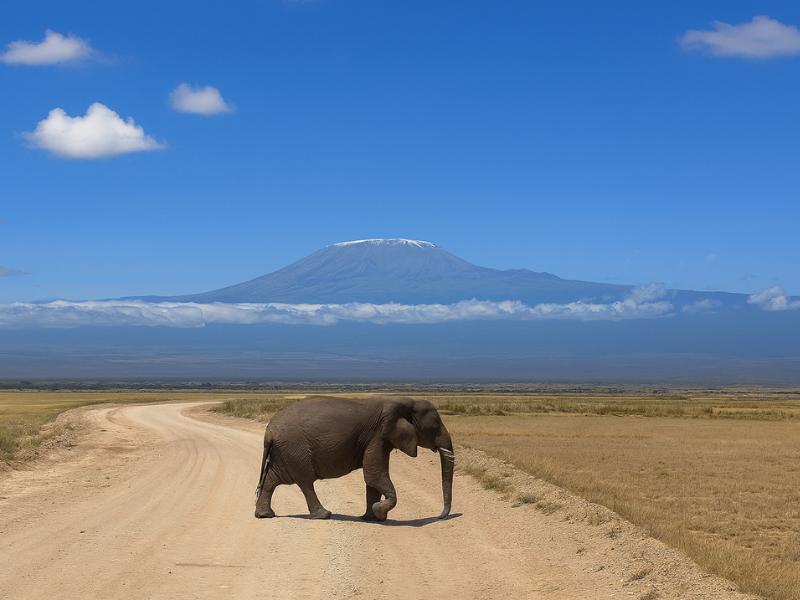
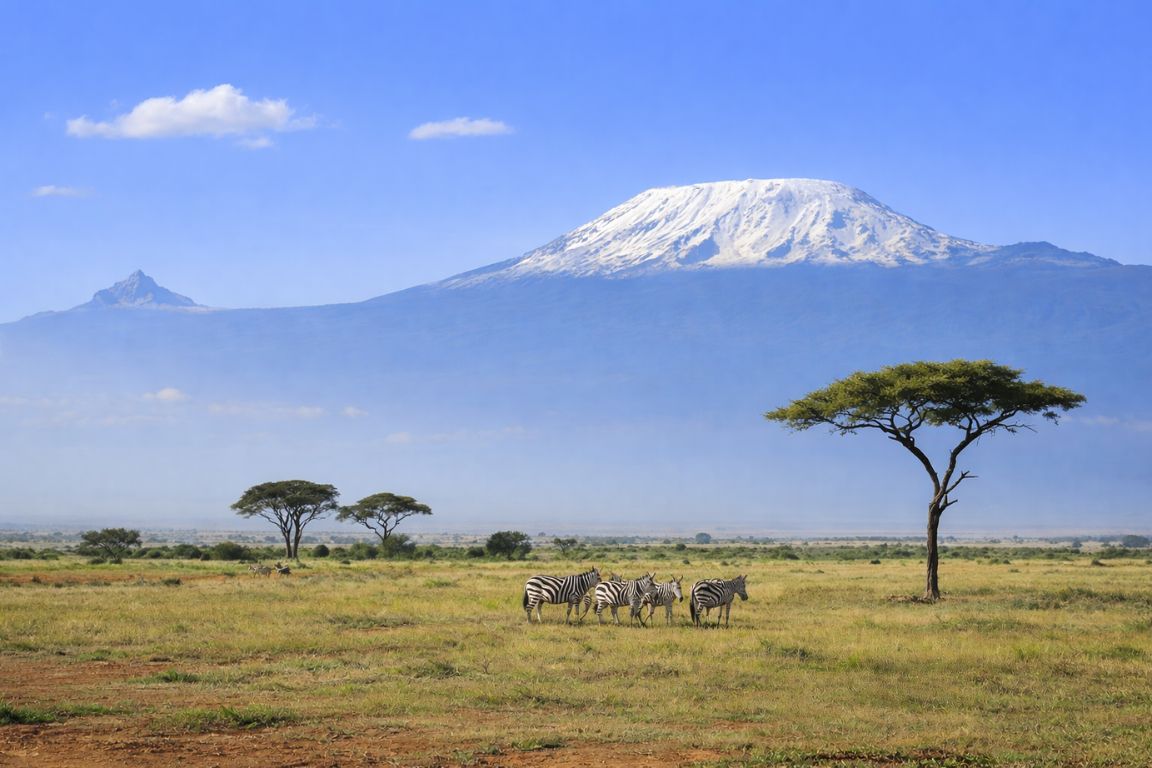
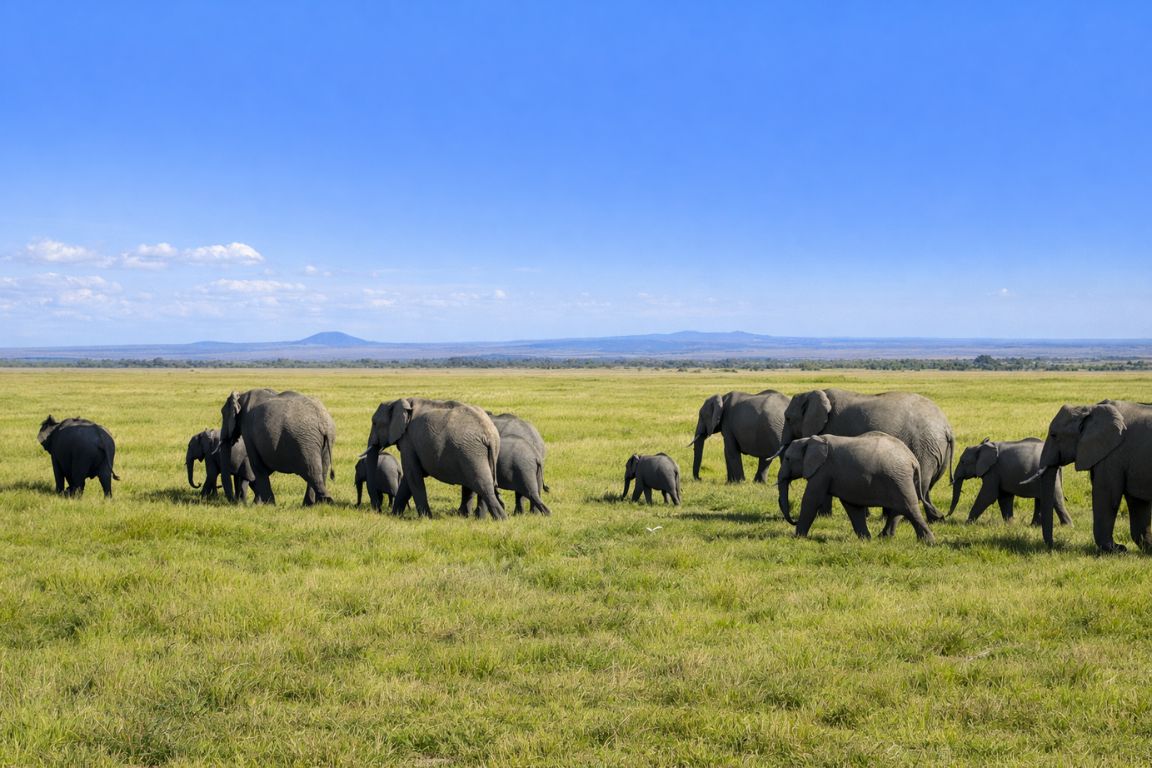
First-timer Kenya small-group safari – iconic Maasai Mara for lions, leopards and Big Five, Amboseli with elephant herds under Kilimanjaro, Great Rift Valley scenery, all-inclusive with shared 4×4 game drives, comfortable lodges, every meal and park fees covered.
Kenya small-group week-long safari – Big Five in Maasai Mara, hippos + flamingos at Lakes Nakuru & Naivasha, elephant herds under Kilimanjaro in Amboseli, pop-up roof van game drives, 6 nights accommodation, all meals and round-trip transfers included (7 days).
Masai Mara extended safari for photographers & researchers – deep exploration of Kenya’s iconic reserve, track Big Five, wild cats and July’s wildebeest migration, 95 mammals + 500 bird species across Serengeti-border plains, private 4×4 and guide, all meals, luxury lodging and park fees included (10 days).
Masai Mara extended safari for photographers & researchers – deep exploration of Kenya’s iconic reserve, track Big Five, wild cats and July’s wildebeest migration, 95 mammals + 500 bird species across Serengeti-border plains, private 4×4 and guide, all meals, luxury lodging and park fees included (10 days).
Our private Maasai Mara safari tours give you your own 4×4 and top-tier guide for the entire trip, chasing cats or migration herds on your timetable with no shared seats or fixed routes. Full-day game drives, bush breakfasts where you want them, wildlife exactly how you like it.
Masai Mara safari from Nairobi – choose early all-day game drives or mid-morning arrival with afternoon safari, spot lions, leopards, cheetahs, elephants, giraffes, hippos and wildebeest migration at Mara River, overnight at Giraffe Hills Mara camp with sunrise views, optional Maasai village visit, all park fees, transport and select meals included.
Exclusive Land Cruiser and guide just for your group, multiple game drives spotting lions, elephants, giraffes and Big Five across the open plains, two nights at comfortable Sopa Lodge with six meals included, door-to-door private transfers from Nairobi hotel or airport.
Kenya’s Big Five private safari – Amboseli with Kilimanjaro backdrop, Lake Naivasha relaxation, rhino-filled Lake Nakuru, two full days in wildlife-rich Masai Mara, multiple game drives + optional Maasai walk, comfortable lodges (Amboseli Sopa, Naivasha Resort, Sarova Woodlands, Enkorok Luxury), all meals, private guide and park fees included (7 days).
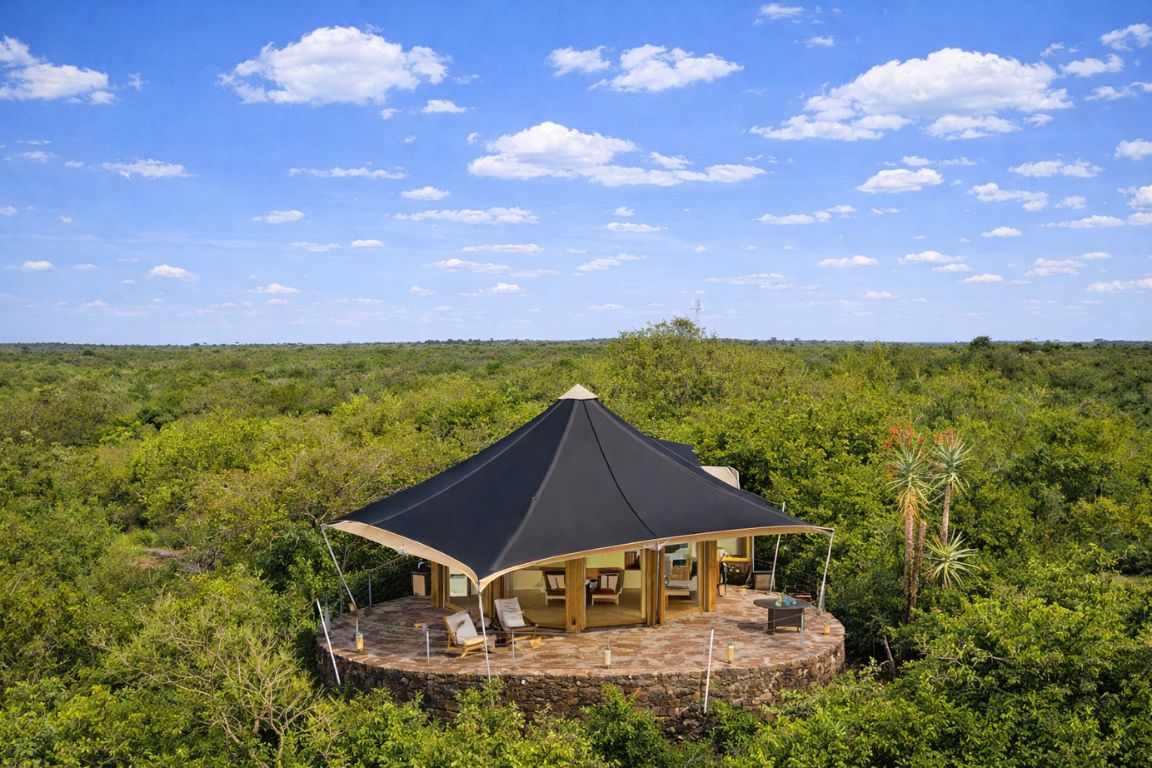
Our luxury Maasai Mara safari tours put you in five-star tented camps with private plunge pools and butler service, gourmet bush dinners under the stars, exclusive private vehicles, and top guides who open the whole reserve just for you. Big Five, big comfort, zero compromise.
Early Nairobi pickup with Great Rift Valley viewpoint stop, afternoon game drive for elephants, rhinos, lions and Big Five, full day exploring Mara River hippos, crocs and wildebeest migration (over 1.5 million animals), luxury Mara Sopa Lodge stay, all meals, park fees and round-trip transfers included (3 days).
Masai Mara + Lake Nakuru private safari – spot the Big Five in Mara’s endless plains, flamingo-filled Lake Nakuru with huge black & white rhino populations, mid-luxury lodges inside/near parks, complimentary Maasai village visit, private 4×4 and driver-guide, all meals and park fees included (4 days).
Luxury Masai Mara escape from Nairobi – private pop-top van game drives for lions, elephants, giraffes and Big Five, romantic luxury lodge stay inside the reserve, all meals, park fees and seamless door-to-door transfers included (3 days).
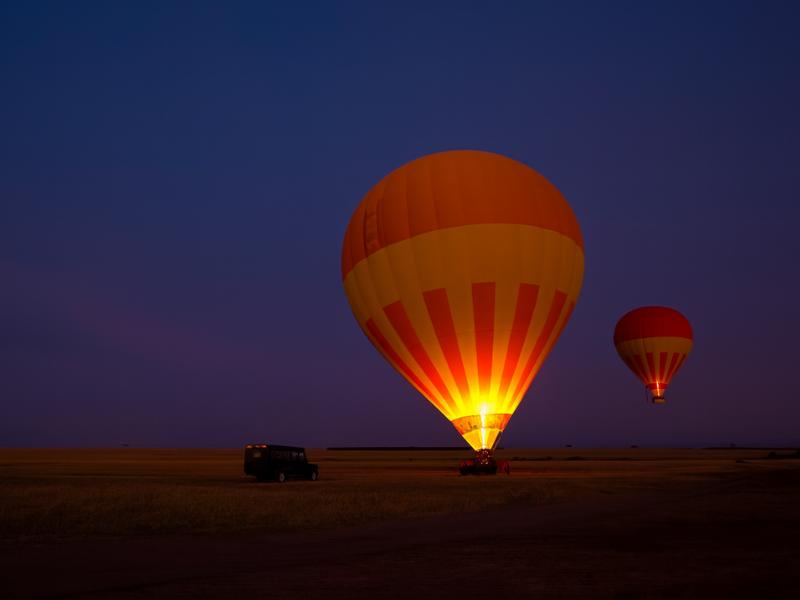
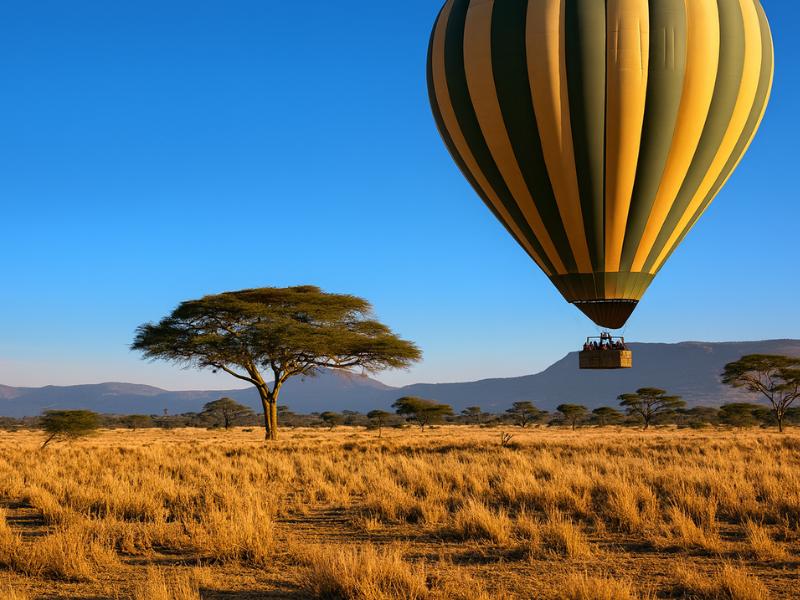
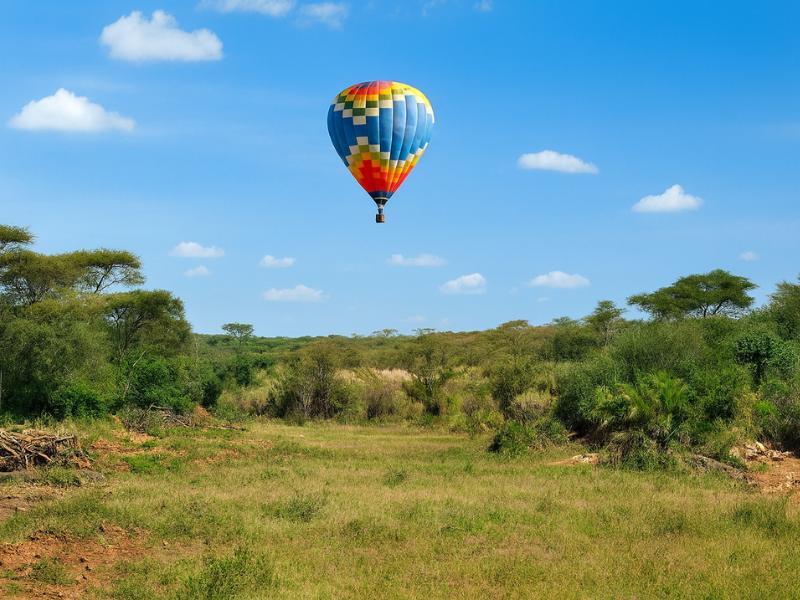
Our Maasai Mara hot-air balloon safaris lift off at dawn for hour-long flights over lion prides, migration herds, and the Mara River, landing with a full champagne bush breakfast and bubbles in the middle of nowhere. Once-in-a-lifetime views, zero roads, pure magic.
Sunrise hot air balloon safari over Masai Mara – 70-minute flight with guaranteed window seat, aerial views of lions, elephants and migrating herds, photography heaven, land for full bush breakfast with champagne, short game drive + open-jeep transfer back to camp/lodge included.
Masai Mara sunrise hot air balloon – drift over lions, elephants and endless herds at dawn, window-seat aerial views, perfect golden-hour photos, champagne bush breakfast wherever you land, open-jeep game drive return to camp included.
Masai Mara 3-day safari from Nairobi – scenic Rift Valley drive to Rhino Tourist Camp, afternoon game drive for Big Five at sunset, sunrise hot air balloon flight over elephants, lions and cheetahs with bush breakfast, golden hour evening safari, final morning drive spotting wildlife, all meals, lodging, park fees, transfers and balloon included.
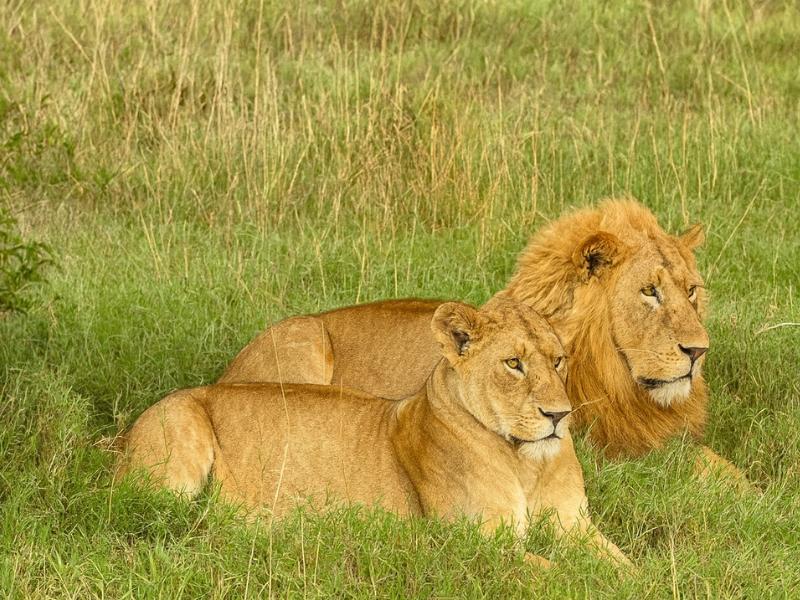
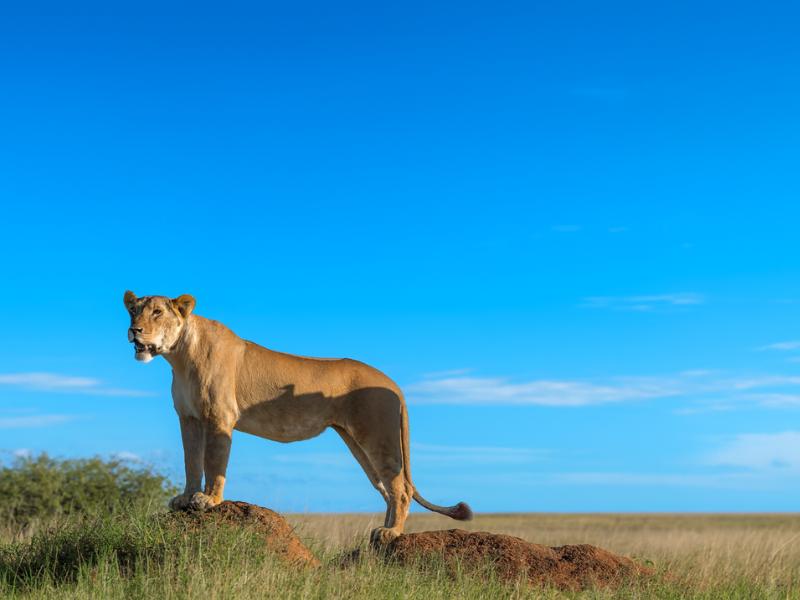
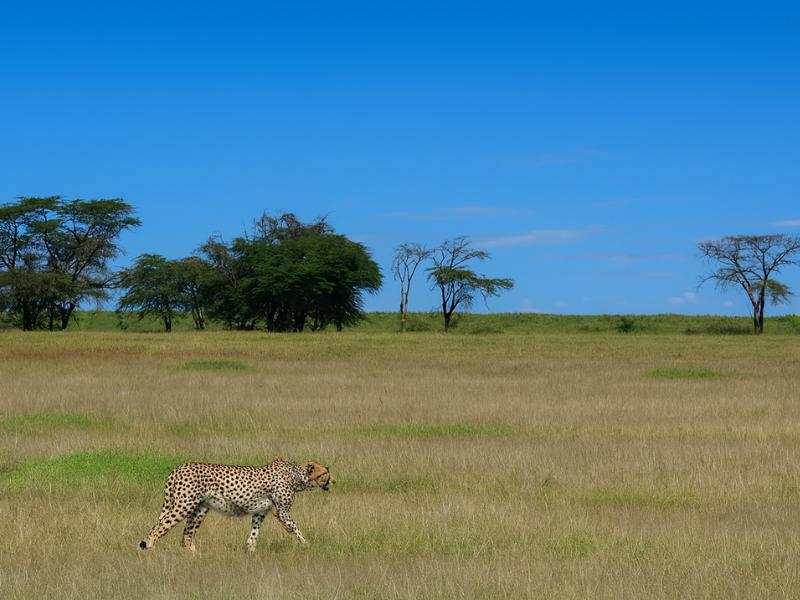
The Mara doesn’t do subtle. One minute you’re parked watching a lioness yawn three meters away, the next a million wildebeest thunder past kicking up dust that smells like dry blood and grass. Cheetahs sprint across open plains in broad daylight, hippos grunt in chocolate-brown rivers, and hot-air balloons drift over it all at sunrise while the sky turns the color of fresh mango. With Maasai Mara Safari Tours you’re in the middle of the action from first light to last, small jeeps, drivers who grew up herding cattle here, and camps so close you fall asleep to hyenas laughing.
Our expert team has been helping travelers to discover and book Maasai Mara safari experiences for over a decade, ensuring your African adventure is seamless with everything arranged before you arrive.
With deep knowledge of Kenya's wildlife and ecosystems, partnerships with the most experienced safari guides and lodge operators, and a passion for creating unforgettable experiences, we're committed to making your safari journey truly extraordinary. From your first inquiry to your last game drive, we're here to support you every step of the way.
Recognized for Safari Excellence
Maasai Mara Safari Tours is honored by travelers and wildlife conservation organizations
Travelers' Choice Award2024
Guest Satisfaction Excellence2024
Best Safari Operator Kenya2023
Outstanding Wildlife Tour Service2024
Mara Conservation Tourism Award2023
Maasai Mara safari questions
How many days should I spend on a Masai Mara safari?
3-4 days (2-3 nights) is the ideal minimum for experiencing Masai Mara's wildlife and landscapes without feeling rushed. This allows time for multiple game drives (morning and evening), potential river crossing sightings during migration season, and exploring different areas of the reserve and conservancies. 2 days/1 night is possible but extremely tight—the 5.5-hour drive each way from Nairobi means you'll spend most time traveling with limited actual safari time, though flying in dramatically improves this option. 5-8 days is optimal for serious wildlife enthusiasts—allows staying in multiple locations (splitting between conservancies and main reserve), increases chances of seeing rare animals and behaviors, and provides relaxing pace without feeling rushed. Each day offers completely different experiences—animals aren't on schedules, so no two game drives are alike. Many travelers wish they'd stayed longer. Consider splitting between two lodges/camps (e.g., 3 nights in conservancy + 3 nights in main reserve) to experience different environments and wildlife viewing opportunities while maintaining variety.
Package inclusions vary by price tier but typically follow these patterns. Budget safaris ($100-300 USD per person per day) include shared game drives in Toyota Land Cruisers with pop-up roofs, basic tented camps or budget lodges just outside the reserve, simple meals (breakfast, packed lunch, dinner), park entrance fees, and round-trip road transport from Nairobi—expect basic facilities, shared bathrooms possible, and larger groups (6-8 people per vehicle). Mid-range safaris ($300-600 USD per person per day) feature smaller groups (4-6 per vehicle) or semi-private vehicles, comfortable tented camps or lodges with en-suite bathrooms, better quality meals including some alcohol, park fees, and possibly flight transfers if staying at higher-end properties. Luxury/high-end safaris ($750-2,000+ USD per person per night) provide private vehicles with dedicated guides, all-inclusive luxury lodges/camps with en-suite bathrooms and premium amenities, all meals and premium alcohol, private game drives tailored to your interests, night drives and bush walks in conservancies, flight transfers, laundry service, and exceptional personalized service. Always confirm what's included: park entrance fees ($200 USD per person per day—a major expense), number of game drives daily, vehicle type and group size, meal inclusions, and transfer arrangements.
We've broken down budget vs luxury safari at Maasai Mara so you can figure out which makes sense for your trip without overspending or shortchanging the experience.
When is the best time to visit Masai Mara?
Timing depends on your priorities. July-October is peak season featuring the spectacular Great Migration with 1.5+ million wildebeest and zebras crossing the Mara River (most dramatic wildlife spectacle on Earth), highest wildlife density and easiest viewing, dry weather with minimal rain, but maximum crowds, highest prices (expect 50% premiums), and heavily booked accommodations requiring 6+ months advance booking. River crossings are unpredictable—herds may cross multiple times or not at all depending on rain patterns, so even visiting in September (peak crossing month) doesn't guarantee witnessing one. January-March offers calving season in Tanzania's Serengeti (southern Mara has fewer animals but still excellent wildlife), significantly fewer tourists, 30-50% lower prices, green lush landscapes, and excellent bird watching, though afternoon rains possible. June and November provide shoulder season sweet spots—good wildlife viewing, moderate crowds, reasonable prices, and decent weather. April-May is low season with heavy rains making roads muddy/impassable, many camps closed, but rock-bottom prices for adventurous budget travelers. Pro tip: Masai Mara offers excellent year-round wildlife viewing—resident populations ensure Big Five sightings even outside migration.
Maybe—it's unpredictable and requires luck even during peak season. The dramatic Mara River crossings occur primarily July-October when massive wildebeest and zebra herds move north from Tanzania's Serengeti into Kenya's Masai Mara. However, crossings are not guaranteed—herds may cross multiple times daily, once every few days, or barely at all depending on rain patterns, water levels, and herd behavior that changes annually. Guides monitor radio communications tracking herd movements and will race to crossing points when activity begins, but vehicles often wait hours by the river hoping for crossings that may not materialize. Best chances: Stay near Mara River in the main reserve (not conservancies which are farther away), visit in August-September (statistically peak crossing months), book 5-7+ nights increasing odds of witnessing crossings, and accept that even with perfect timing you might miss them. The wait is worth it—watching thousands of animals plunge into crocodile-infested waters while predators hunt stragglers ranks among nature's most spectacular sights. Alternative: The Serengeti side offers equally impressive wildlife with fewer crowds—consider Tanzania if Kenya's peak season prices deter you.
If you're planning around the herds, here's our Great Migration in Maasai Mara safari guide so you understand when they cross the Mara River and where to be for the best viewing.
What animals will I see in Masai Mara?
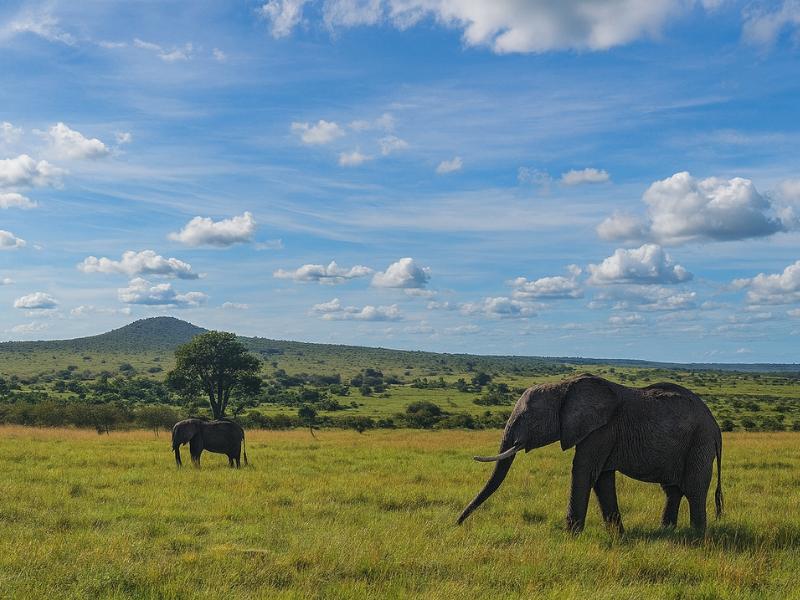
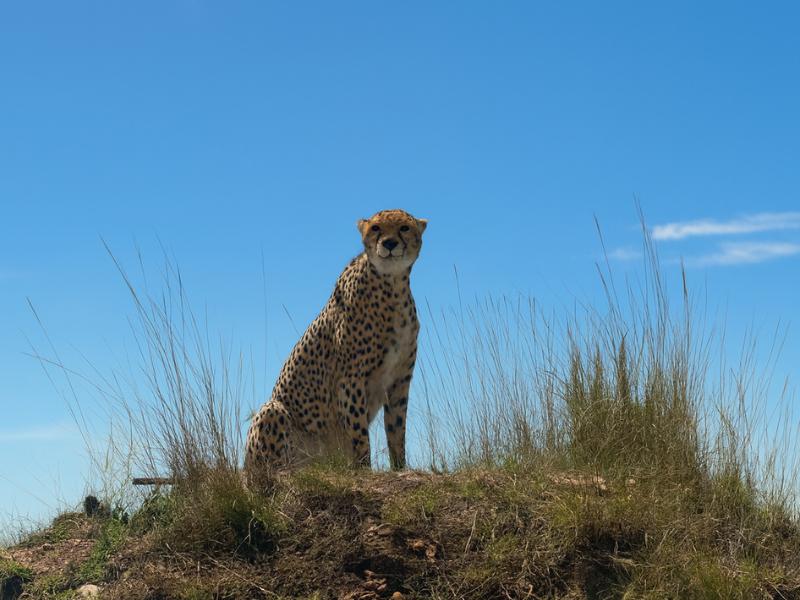
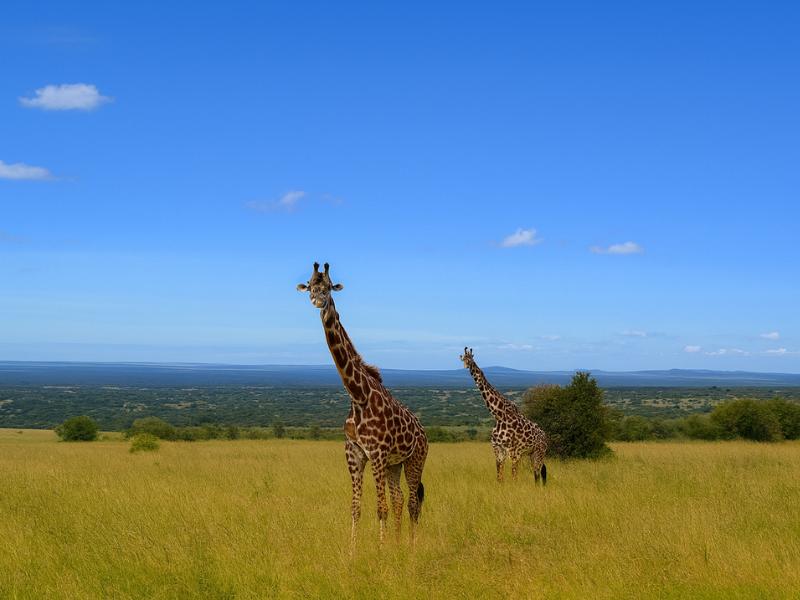
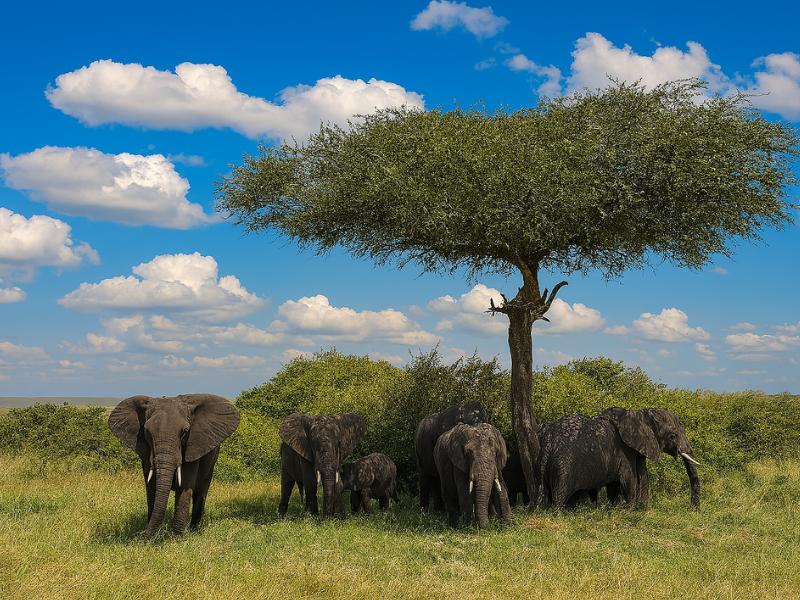
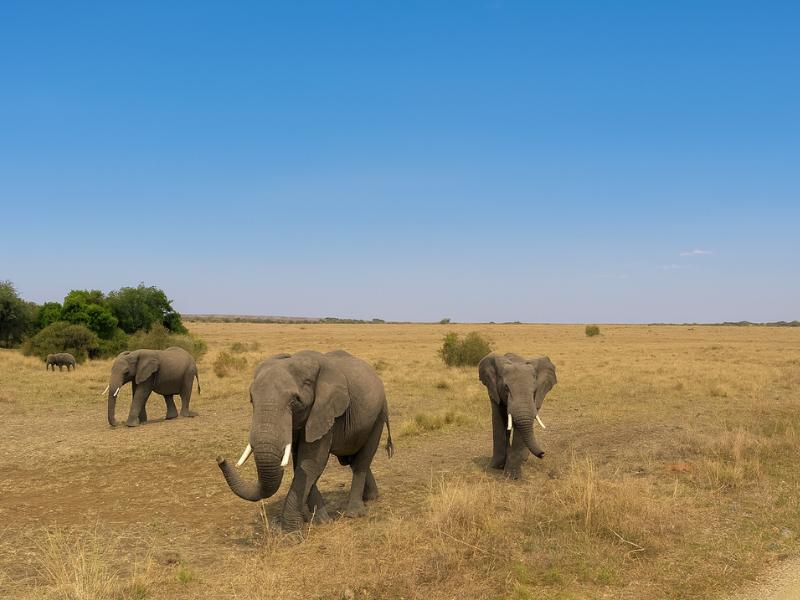
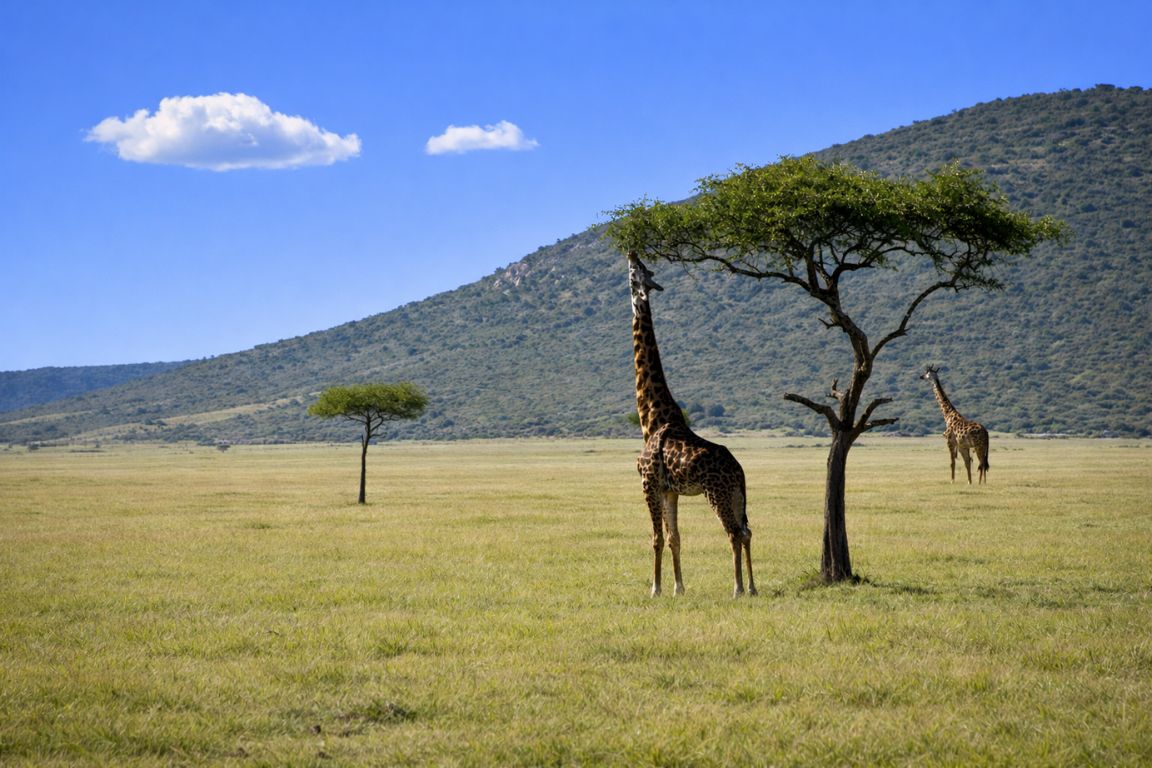
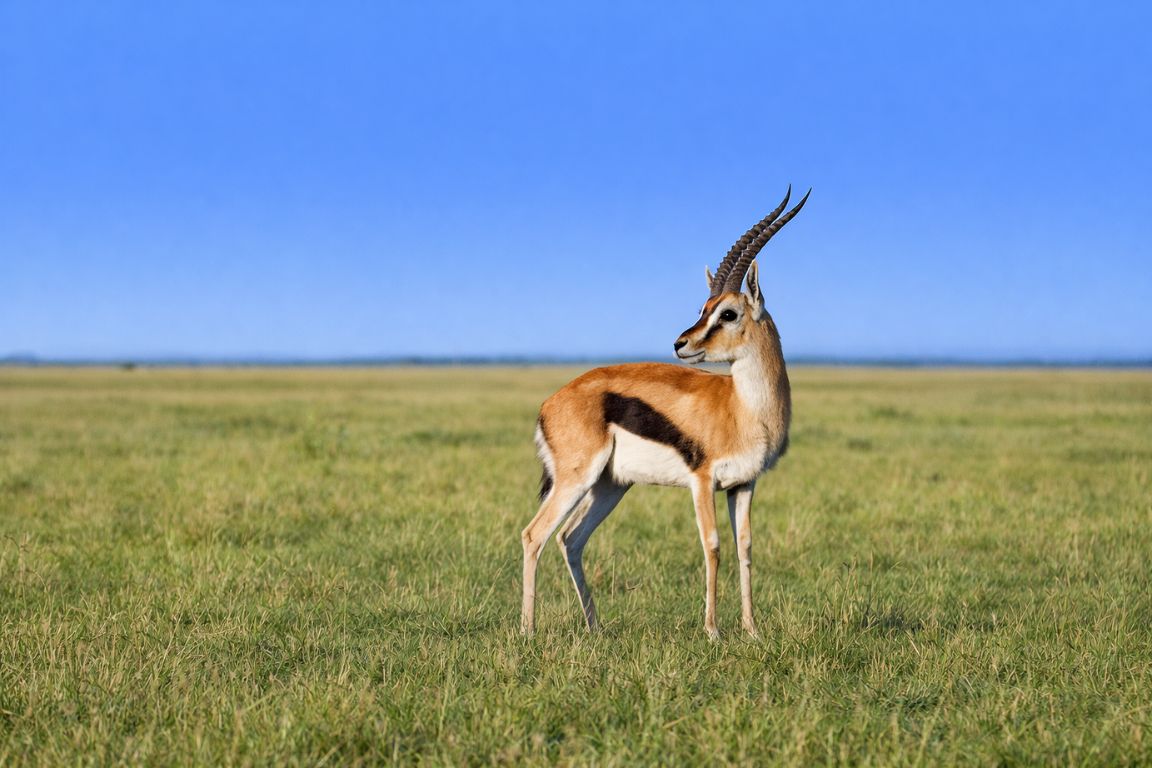
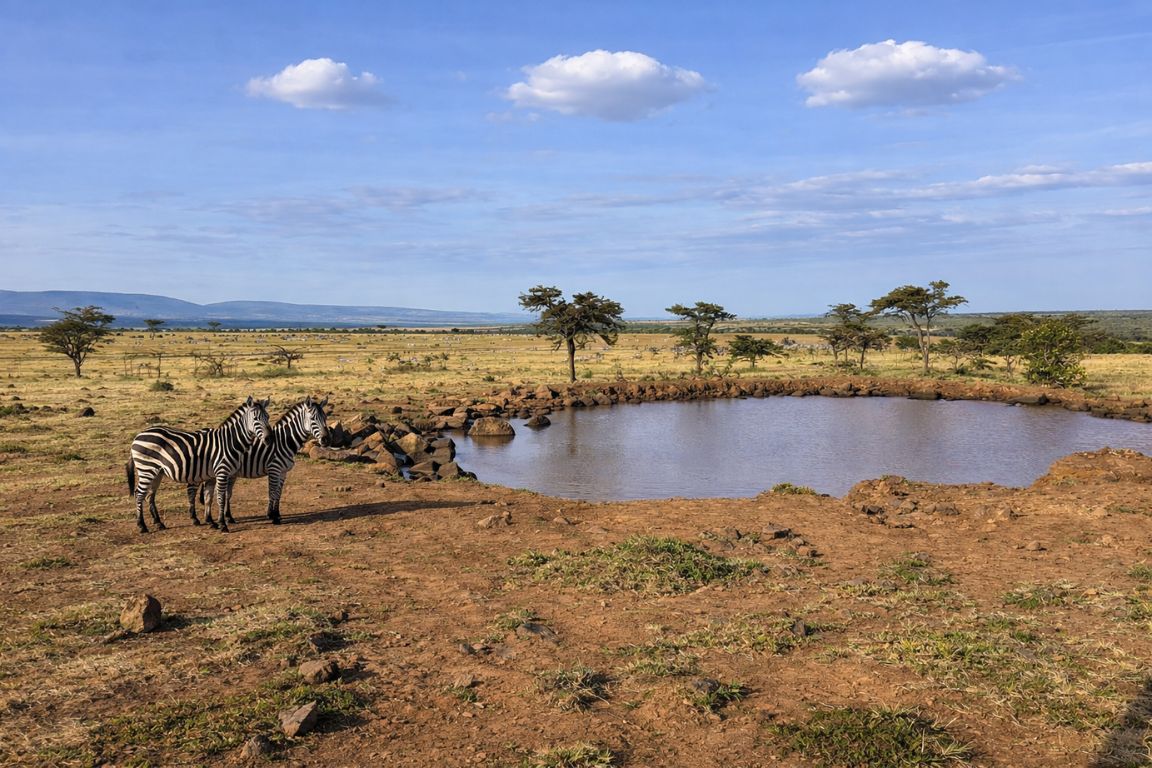
Masai Mara offers exceptional wildlife diversity with very high probability of seeing Africa's Big Five. Lions are extremely common—Mara has one of Africa's highest lion densities, with prides often seen resting under acacia trees or hunting; expect multiple sightings daily. Leopards are spotted regularly though more elusive, often lounging in trees during daytime. African elephants roam in family herds throughout the reserve. Cape buffalo gather in massive herds, especially during wet season. Black and white rhinoceros are rare but present, particularly in conservancies with anti-poaching efforts. Cheetahs thrive in Mara's open plains—one of best places in Africa for cheetah sightings and possibly witnessing hunts. Hippos and Nile crocodiles dominate rivers and waterholes. Giraffes, zebras, wildebeest (millions during migration), various antelope species (Thomson's and Grant's gazelles, topi, impala, eland), spotted hyenas, jackals, bat-eared foxes, warthogs, baboons, vervet monkeys, and over 470 bird species including ostriches, secretary birds, and numerous raptors. Rare sightings include African wild dogs, servals, caracals, and honey badgers. Your guide's expertise matters—experienced guides know animal behaviors and best locations for specific species.
What should I pack for a Masai Mara safari?
Essential items include neutral-colored clothing (khaki, olive, beige, brown—avoid bright colors and white which show dust, and never wear camouflage which is illegal in Kenya), layered clothing for cool early mornings (50-60°F) and warm afternoons (70-85°F), long sleeves and pants for sun protection and evening mosquito defense, warm fleece or jacket for dawn game drives and evenings, wide-brimmed hat and sunglasses for intense equatorial sun, high SPF sunscreen and lip balm (reapply frequently), insect repellent with DEET (malaria is present—consult doctor about prophylaxis), sturdy closed-toe shoes for walking around camps plus comfortable sandals for lodge relaxation, binoculars (absolutely essential for distant wildlife viewing—8x32 or 10x42 recommended), camera with telephoto lens (200-400mm+ ideal) plus extra batteries and memory cards, headlamp/flashlight (many camps have limited electricity), small daypack for game drives, reusable water bottle, personal medications and basic first aid, and copies of passport and travel insurance. Don't overpack—laundry service is available at most lodges. Luggage restrictions: If flying between parks, soft-sided bags under 15kg (33 lbs) are required due to small aircraft weight limits.
Do I need a guide for Masai Mara, or can I self-drive?
Self-driving is possible but strongly discouraged for international visitors. While you can theoretically rent a 4WD vehicle in Nairobi and enter Masai Mara independently, professional guides provide exponentially better experiences through expert animal tracking and behavior knowledge (knowing where to find specific species and predicting behaviors), radio communication networks sharing sightings between guides (you'll never find solitary leopards or river crossings on your own), navigation expertise (the reserve is vast with confusing unmarked tracks—getting lost is easy and dangerous), safety management around dangerous wildlife, and cultural insights about Maasai people and ecosystem. Costs of self-driving (4WD rental $80-150/day, fuel, camping fees, park entrance fees) often equal or exceed hiring reputable operators with included guides, plus you'll spend time navigating instead of enjoying wildlife. The guide quality makes or breaks safaris—experienced guides transform trips from "driving around seeing some animals" to "unforgettable wildlife encounters and dramatic sightings." Exception: If you have extensive African self-drive experience, proper equipment, and realistic expectations, self-driving can work, but 99% of visitors should absolutely hire guides. Your safari investment deserves professional expertise maximizing your experience.
What's the difference between shared and private safari tours?
The choice impacts experience, flexibility, and cost significantly. Shared/group safaris accommodate 4-8 people per vehicle (sometimes strangers), cost $100-400 USD per person per day making them budget-friendly, follow fixed itineraries and schedules accommodating the group's collective interests, may involve picking up guests from multiple hotels wasting valuable time, and provide limited personal attention from guides who must balance multiple guests' preferences. Benefits include lower costs and potential for making new friends with fellow travelers. Private safaris provide dedicated vehicle and guide exclusively for your party (2-6 people), cost $500-1,000+ USD per person per day (though per-vehicle pricing means costs decrease with more people), offer complete flexibility—customize timing, duration, focus areas, and pace to your interests (want to watch lions for 2 hours? No problem. Ready to move on quickly? Your choice.), provide personalized guide attention with ability to ask endless questions and request specific animals, and eliminate wasted time picking up other guests. Worth the premium? Absolutely, if budget allows—the flexibility, personalized service, and ability to pursue your specific interests (photography, bird watching, tracking rare species) justify higher costs for most travelers serious about maximizing their safari experience.
We've done the legwork comparing the best Maasai Mara safari tours so you don't have to sort through dozens of operators with identical-sounding packages.
Which area of Masai Mara should I stay in?
Location significantly affects your experience. Mara Triangle (western section) offers the most diverse landscapes in a compact area with dramatic river scenery, fewer tourists than eastern sections, better road maintenance, excellent wildlife density, and stunning views, though slightly farther from Nairobi (plan for longer drives if not flying). Central Mara (Talek area) provides proximity to main tourist gates from Nairobi making it most accessible for budget travelers, high wildlife concentration, but heaviest vehicle traffic during peak season creating crowding around popular sightings. Mara North Conservancy offers exclusive, uncrowded experiences with off-road driving, night drives, and walking safaris, excellent wildlife including high lion and cheetah populations, and community-based conservation, though farther from Mara River for migration crossings. Olare Motorogi and Naboisho Conservancies provide similar conservancy benefits with luxury accommodations and limited vehicle numbers. Sekenani and Talek Gates areas suit budget travelers with numerous affordable camps and easy Nairobi access, though less exclusive. Strategic approach: Stay in conservancy for exclusivity and special activities (2-3 nights), then move to Mara Triangle or near Mara River for migration and diverse wildlife (2-3 nights)—experiencing both environments optimizes your safari.
What should I know about Masai Mara for first-time safari-goers?
Essential tips for safari virgins. Manage expectations: Wildlife sightings aren't guaranteed—animals roam freely and don't perform on command, so patience is essential. Some days you'll see dramatic kills and rare species; others you'll spend hours searching. Embrace uncertainty as part of the adventure. Trust your guide—they know infinitely more than you about animal behavior, tracking, and safety. Follow their instructions without question, especially around dangerous wildlife. Photography tips: Bring telephoto lenses (200-400mm minimum—animals keep safe distances), shoot in early morning and late afternoon golden hours (midday light is harsh), and take binoculars (essential for distant viewing—cameras alone aren't enough). Health preparation: Consult travel doctors about malaria prophylaxis (Mara has malaria—take prevention seriously), ensure yellow fever vaccination if coming from endemic countries, and pack anti-diarrhea medication just in case. Cultural sensitivity: Respect Maasai communities—always ask before photographing people, expect to pay for cultural village visits, and purchase crafts directly from artisans. Pace yourself: Game drives start early (5:30-6 AM) and can be long—rest during midday heat rather than overextending. Most important: Relax and enjoy—safaris are about experiencing raw African wilderness, not checking boxes of animals seen.
Is Masai Mara safe to visit?
Yes, Masai Mara is very safe for tourists. Kenya is one of East and Central Africa's safest countries, chosen by numerous UN bodies, international embassies, and global companies for regional headquarters in Nairobi—testament to overall stability. Masai Mara and Kenya's wilderness areas are naturally safer than urban areas with professional park management and adequate security measures in place. Wildlife safety: Animal attacks on visitors are extremely rare. All lodges and camps employ night security guards who patrol properties keeping guests safe from wandering wildlife. During game drives, experienced safari guides know exactly how to approach animals safely and will instruct you on proper behavior. Never leave vehicles without guide permission, and always follow instructions around dangerous wildlife. Walking safaris are conducted with armed rangers for protection. The biggest safety concerns are actually not wild animals but minor issues—follow basic precautions like keeping valuables secure, avoiding displaying expensive items unnecessarily, and using lodge safes. Travel insurance is highly recommended covering medical emergencies and evacuation. Overall, visitors can feel completely secure focusing on wildlife experiences rather than worrying about safety—millions of tourists visit Masai Mara annually without incident.
Can children come on safari to Masai Mara?
Yes, children of all ages are welcome in Masai Mara National Reserve and can enjoy safari experiences. However, age restrictions and policies vary by lodge and activity type. Many luxury lodges have minimum age requirements—some don't accept children under 6 or 8 years old due to safety concerns and maintaining tranquil adult atmosphere. Family-friendly lodges and camps specifically cater to children with family tents, children's activities, special meals, and guides experienced with young guests. Game drives welcome children, though very young kids may struggle with early morning starts (5:30-6 AM) and long sitting periods—breaks and shorter drives work better. Hot air balloon rides typically require minimum ages (usually 7+ years) and minimum heights for safety. Walking safaris generally require children be at least 12-16 years old. Children's park fees ($45 per day) are lower than adults. Family safari tips: Book private vehicles (no strangers to disturb), choose lodges with swimming pools for afternoon downtime, pack snacks and entertainment for drives, and consider shorter game drives. Many families have wonderful safari experiences—seeing wildlife creates magical childhood memories. Discuss ages and needs with tour operators who can recommend appropriate accommodations and itineraries.
We've covered Maasai Mara safari tours with kids in detail so you know which operators are set up for families and what age makes the most sense for game drives.
A Typical Safari Day in the Maasai Mara
One day in the Mara, hour by hour, the way the guided tours actually run it.
5:30 amWake-up call at camp, hot coffee and a light bite
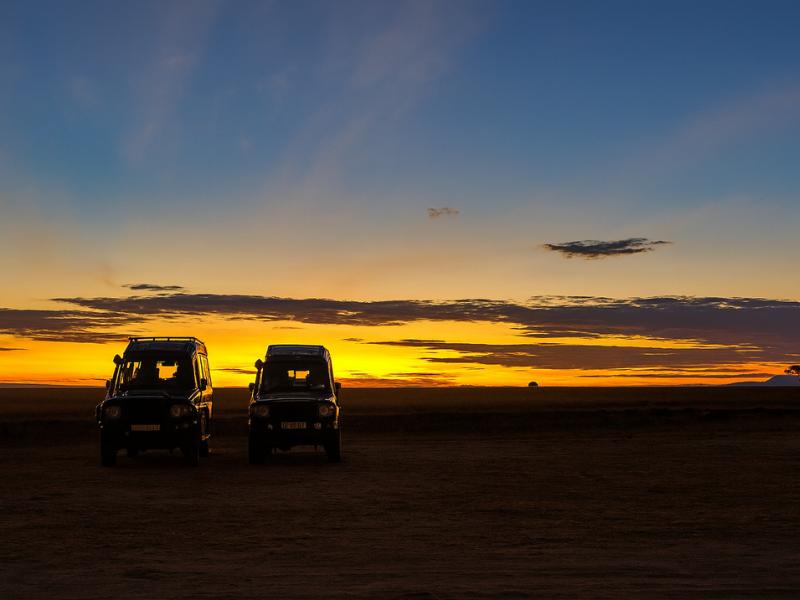
6:00 amDepart in the 4×4, first light breaking over the plains
6:15 amEnter the reserve, morning game drive begins
9:30 amReturn to camp, full breakfast, rest during midday heat
11:00 amOptional Maasai village visit or time at camp
3:30 pmDepart for afternoon game drive, light cooling
6:15 pmSundowner stop on the open plains
7:00 pmReturn to camp, dinner around the fire
9:30 pmLights out, the bush takes over
We leave at 6am because the Mara at first light belongs to the predators. Lions are still moving before the heat pins them to the shade. Cheetahs are scanning from termite mounds in the low golden light. Leopards that have been hunting through the night are sometimes still visible in the trees as the sky turns from grey to amber. The game drive window between 6am and 9:30am is consistently where the most significant sightings happen, and our guides at Maasai Mara Safari Tours have spent years learning this reserve well enough to read the morning the way experienced trackers do: a change in the direction the zebras are moving, the way the impala are standing with their heads up, the circling of vultures over a distant ridge. These signals tell a story before anything is visible, and the guides translate them in real time.
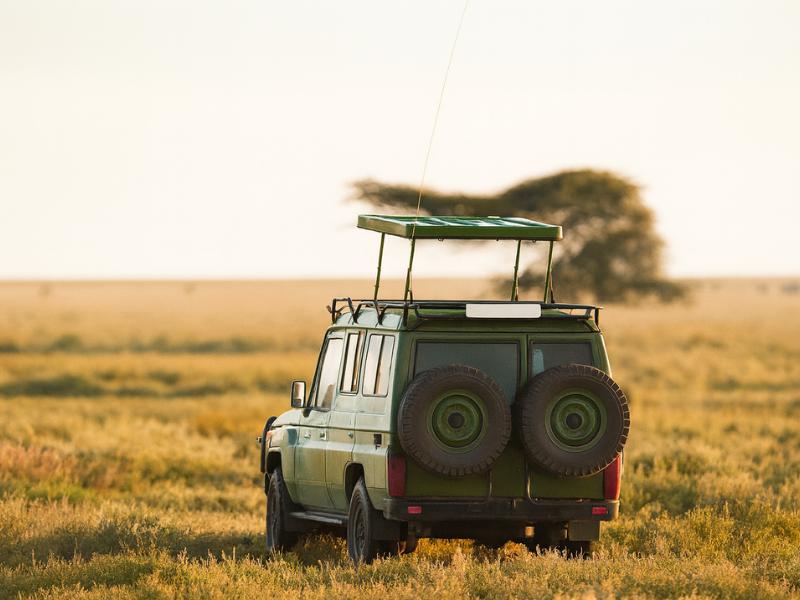
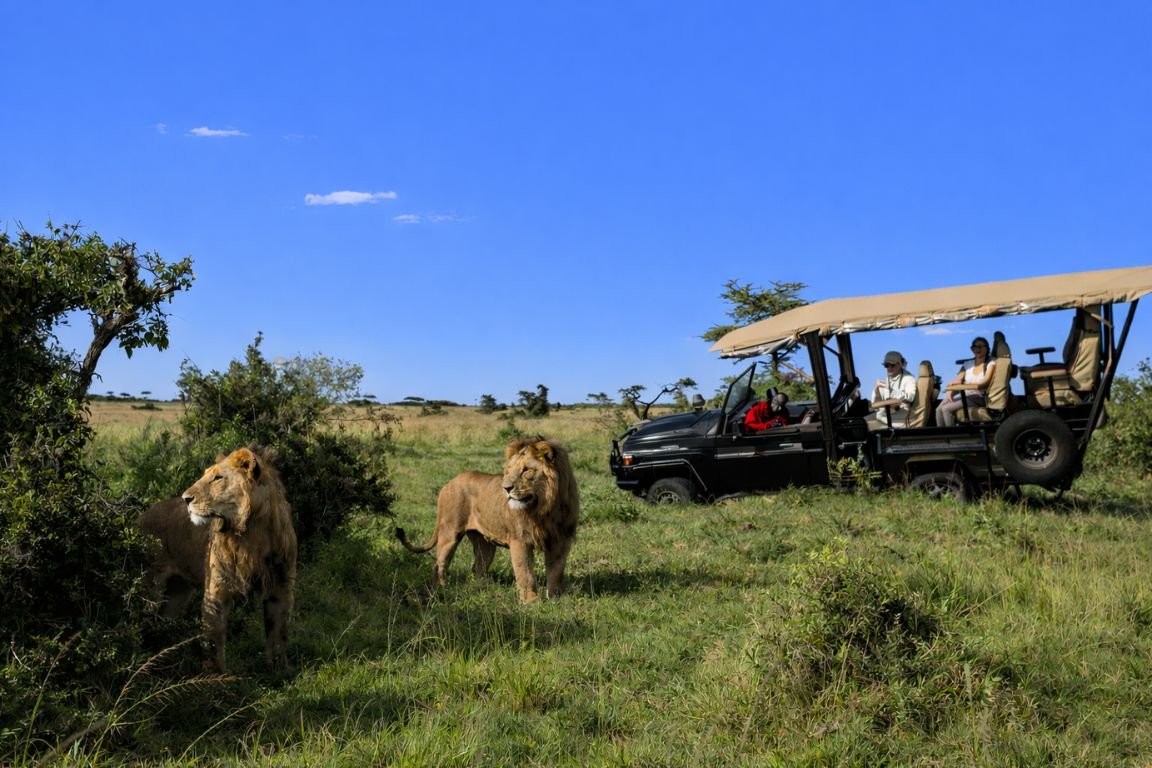
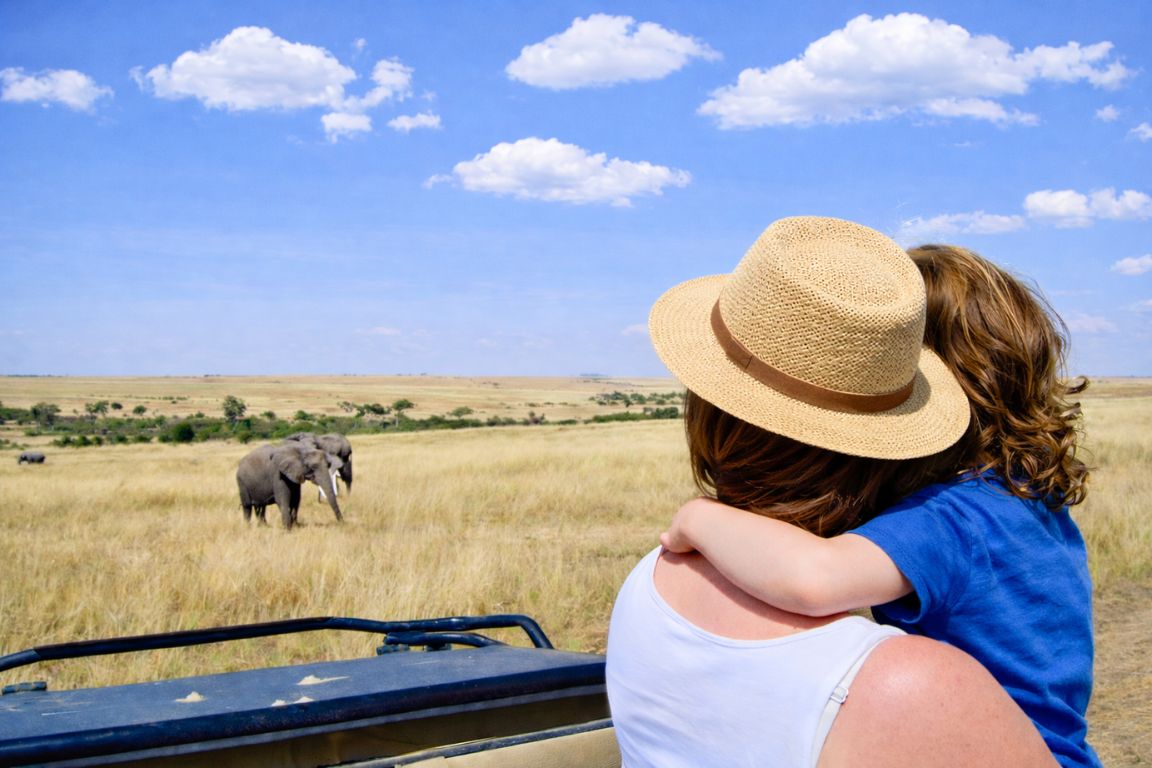
The Maasai Mara is around 1,500 square kilometers of open savannah, riverine forest, and rolling grassland, and no two mornings cover the same ground. Our guides choose the route based on what was reported the evening before, what the radio network between vehicles is saying at dawn, and what they know about the current patterns of the big cat populations they have been tracking for years. Clients sometimes arrive expecting a fixed loop with guaranteed stops. The reality is more interesting than that. The 4×4 follows the animals rather than a script, which means a drive can shift completely when a lion kill is spotted half a kilometer off the track. The pop-up roof gives everyone a standing view across the plains, and the experience of standing in an open vehicle watching a pride of lions eat their breakfast twenty meters away is one of those moments that reorders a person's sense of scale.
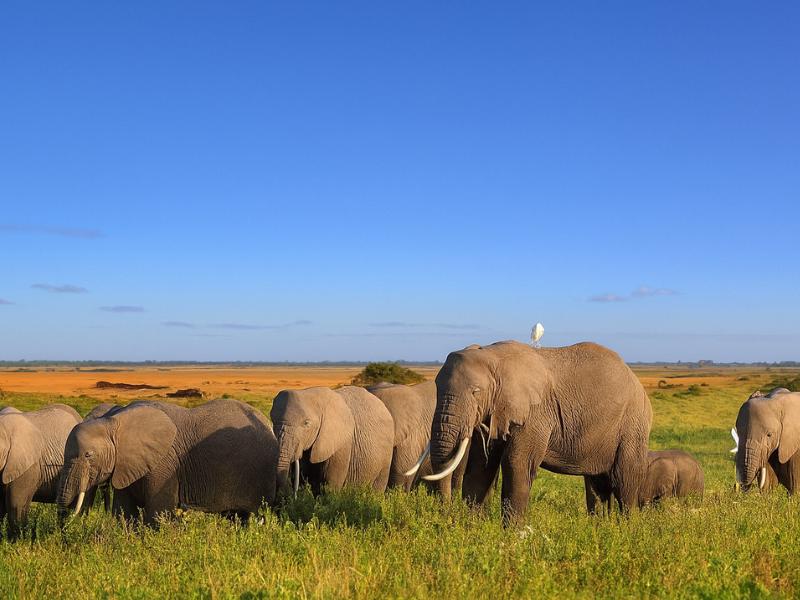
Here is the honest part about the midday break that clients occasionally push back on before they experience it. The Mara between 10am and 3pm is genuinely slow. Not because nothing is happening, but because the animals have largely settled into shade and the heat on the open plains is real. We return to camp for a full breakfast and a rest, and this rhythm has a purpose. The guides are fresher for the afternoon drive. The clients who tried to push through on other tours and skip the break are invariably the ones who are too tired to be present for the afternoon. The camp itself during midday is worth the stop. Sitting under canvas with a cold drink watching a herd of elephants move across the waterhole is not nothing.
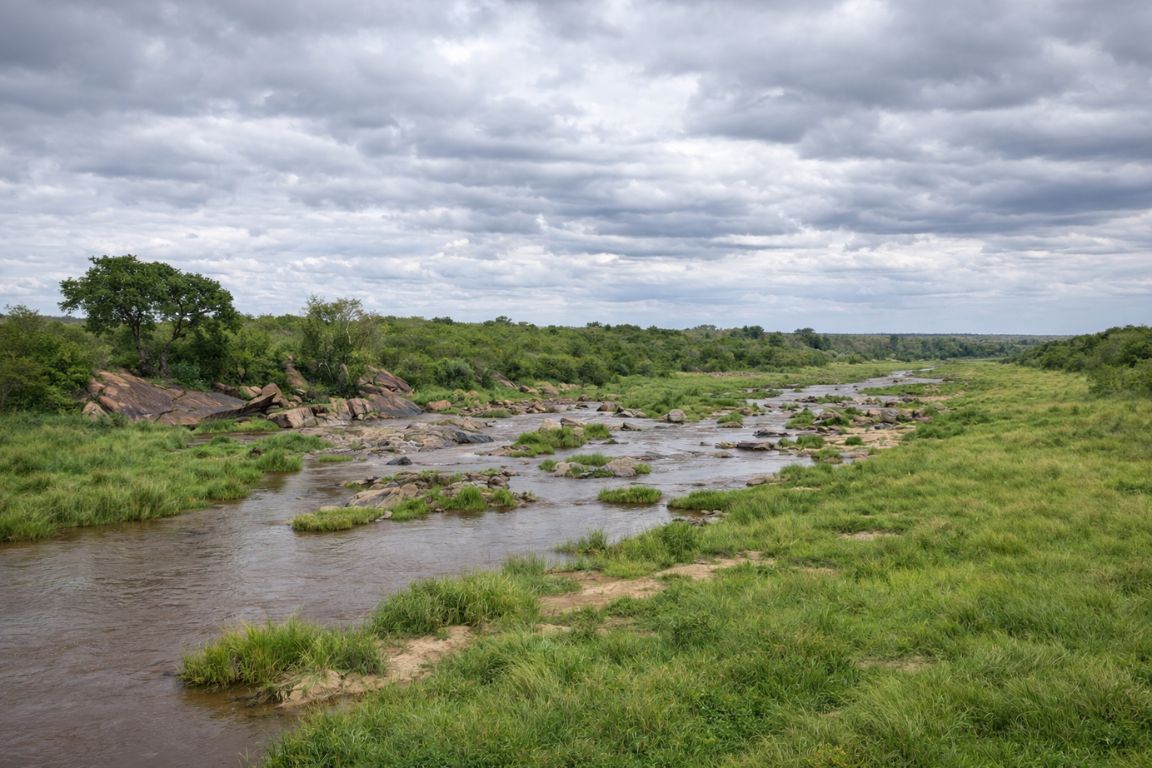
The afternoon drive has its own logic. The light from 3:30pm onward softens into the long golden hours that make the savannah look the way it does in every photograph you've ever seen of East Africa, except from inside it. Hippos surface in the Mara River in the late afternoon and territorial disputes between pods are common and surprisingly loud. Elephants move toward water in family groups. The big cats, rested and increasingly active as the temperature drops, begin to reposition for the evening. During the Great Migration from July through November, the Mara River crossings are a possibility on almost any afternoon drive, and witnessing hundreds of thousands of wildebeest throwing themselves into crocodile-filled water while the entire food chain responds is the kind of event that clients describe with the specific bewilderment of people who weren't fully prepared for what it would feel like to be there.
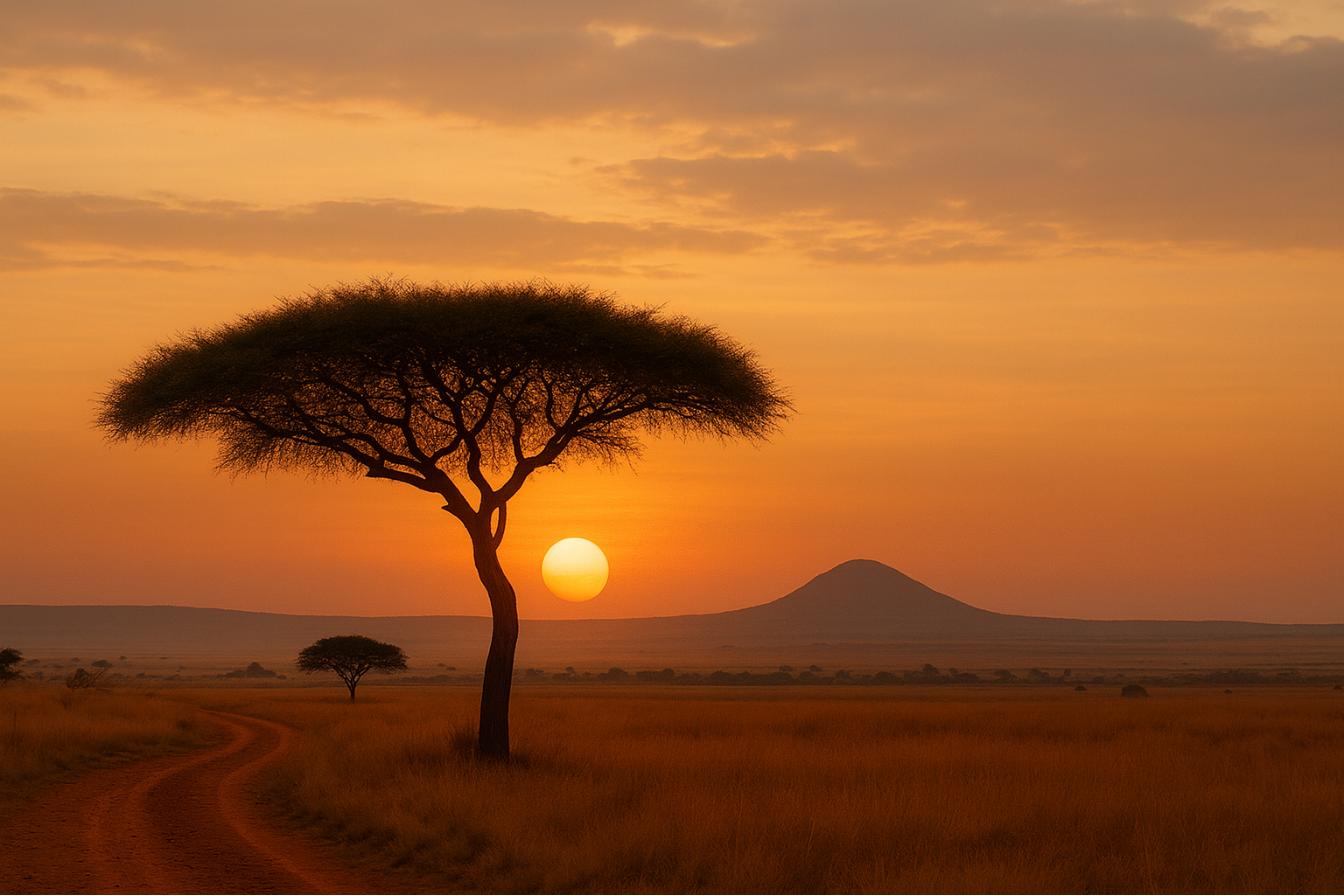
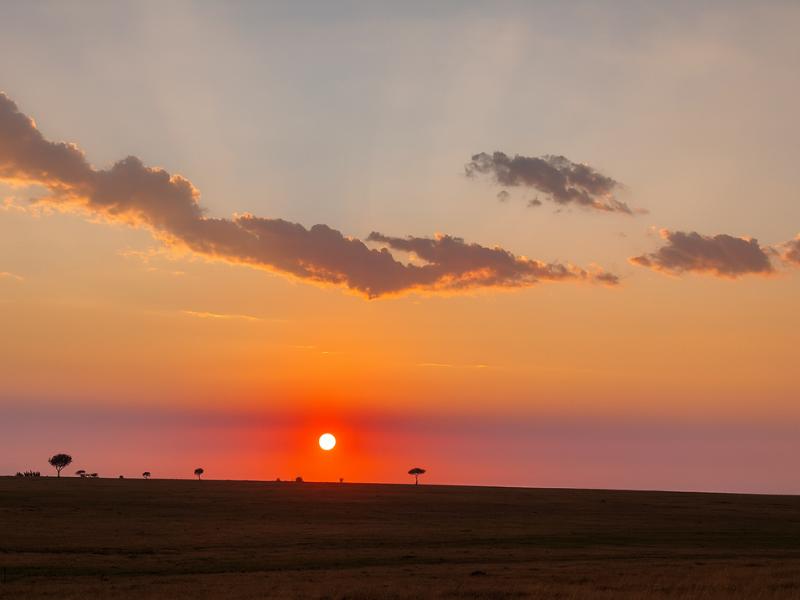
The sundowner stop as the sun drops behind the Oloololo Escarpment is a Maasai Mara tradition that has become one for good reason. The vehicle pulls up on an open rise, drinks come out of the cool box, and for twenty minutes the group stands together watching the sky do what it does over the African savannah at the end of the day. Nobody needs to be told to stop talking. The drive back to camp is done in fading light, sometimes in full dark, with the sounds of the bush amplifying around the vehicle. Dinner around the fire follows, the guides answer the questions that have been accumulating since morning, and the night belongs to the sounds of an ecosystem that does not switch off. Most clients are asleep before 10pm and awake before the alarm.
Average Tour Prices at Maasai Mara
Tap a column heading to sort.
Prices below are what you'll pay when booking through our verified operators online. They are current as of early 2026. All safaris depart from Nairobi unless otherwise noted and include round-trip road transport, park entry fees, meals, accommodation, and guide fees at the levels specified. The Maasai Mara reserve entry fee for adults is $80 per person per day and is included in every tour price listed here. Hot air balloon flights are priced separately as an add-on and are noted in the table.
Maasai Mara Safari Tours: What Each Safari Costs Online
All prices per person. The hot air balloon flies at dawn, lasts approximately one hour, and concludes with a champagne bush breakfast at the landing site. Balloon slots are capped at 16 passengers per flight and operate subject to weather conditions. Private and luxury tour pricing varies by accommodation tier, group size, and season. Contact Maasai Mara Safari Tours directly for private itinerary quotes.
Online vs. Nairobi Walk-In vs. Hotel Concierge: How Booking Method Affects What You Get
Book Online in Advance (via verified operators like Maasai Mara Safari Tours)
$180 to $874 for standard safaris; extended and private on request
Low: vehicle type confirmed, guide credentials verified, park fees included and pre-paid, accommodation secured, free cancellation on most tours up to 24 hours before departure
Walk-In or Last-Minute Booking (Nairobi tour operators, budget guesthouses, or street-level agents)
Potentially 10 to 25% cheaper on shared tours
Medium to High: vehicle condition and group size are unknown until departure day; cheaper shared vans carry up to 7 passengers and raise seats to access roof hatches, which limits sightlines; guide quality varies considerably; the cheapest options often use minivans rather than open-roof 4×4 Land Cruisers, which affects the quality of wildlife viewing materially
Hotel or Lodge Concierge Booking (arranged through your Nairobi hotel or a camp inside the reserve)
Typically 20 to 40% above online rates
Low logistics, significantly higher cost: in-reserve lodge desks add a commission layer; balloon safaris booked through accommodation can run $50 to $100 more per person than booking through a dedicated operator
The Honest Case for Booking with Maasai Mara Safari Tours in Advance
The drive from Nairobi to the Maasai Mara takes five to six hours each way on roads that vary from tarmac to corrugated dirt tracks as you approach the reserve gates. That is not a detail buried in the small print; it is the fundamental logistics reality that shapes every safari decision you make. Day trips are genuinely possible but they deliver around six hours of actual game drive time after the four-hour round journey, which is why the 3-day options dominate the booking numbers for a reason. The 3-day Land Cruiser tour at $258 and the group safari at $209 are both booked at volume because travelers who do the maths realize that the overnight stays are not luxury extras. They are what transforms a long drive into two mornings and two evenings of game driving during the hours when the Mara's big cats are most active.
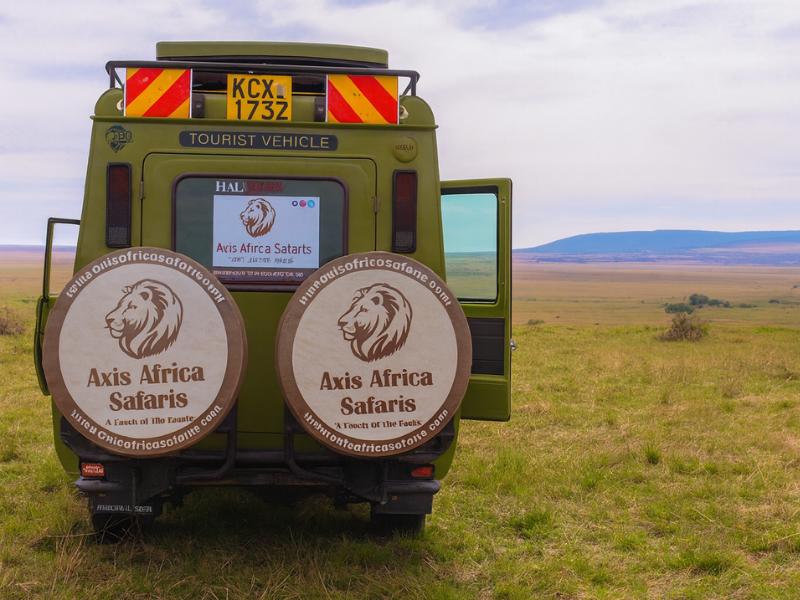
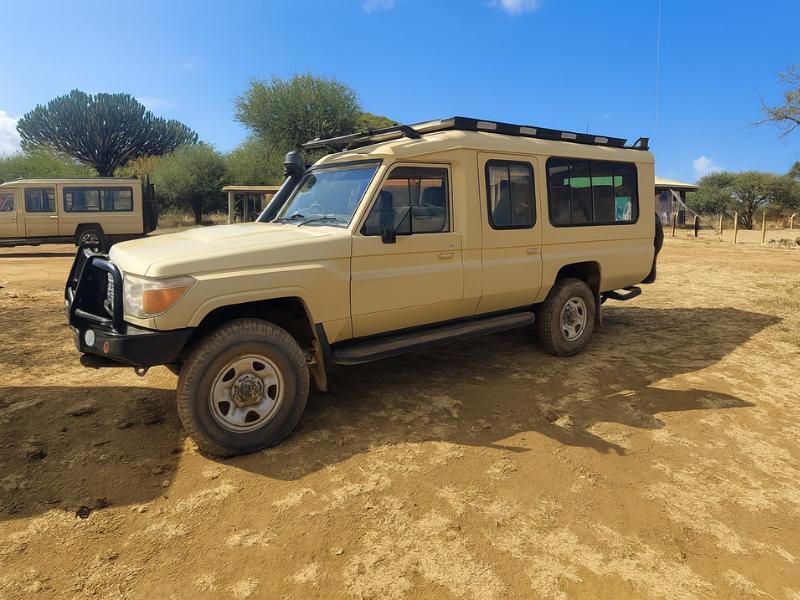
The vehicle distinction matters and is worth stating plainly. Shared minivans are legal safari transport and they get to the animals, but they carry more passengers, have fixed roof hatches rather than full open tops, and are not as well suited to off-road tracking. The Land Cruiser tours listed through Maasai Mara Safari Tours use open-roof 4×4 vehicles with a maximum of six passengers, which means every seat has an unobstructed sightline and the vehicle can follow a cheetah hunt or position alongside a lion kill without the angle compromises that come from a larger, taller van. During the Great Migration between July and October, when river crossings draw photographers and wildlife enthusiasts from around the world, those vehicle and guide quality differences become the difference between a front-row and a back-row seat at the same event.
The balloon safari requires its own advance planning note. Balloon operators at the Mara run a maximum of a few flights per morning from each launch site, and total daily capacity across the reserve is limited. Peak migration season from July through October sees slots fill six to twelve weeks ahead. A balloon ride booked through a lodge desk the night before is occasionally possible in low season but should not be treated as a reliable plan in any of the months when the Mara is at its most active. Coordinating the flight with the right night's accommodation, pre-dawn transfer logistics, and a post-landing game drive to keep the morning going requires the kind of pre-arrangement that Maasai Mara Safari Tours handles as part of the booking rather than something you piece together on arrival in Narok.
How to Visit the Maasai Mara
The Maasai Mara is one of those places that tends to exceed even high expectations, partly because the wildlife is genuinely that prolific and partly because the scale of the landscape does something to people that photographs never quite prepare them for. Getting there well requires a few decisions made in the right order. Here is what everyone who reaches out to Maasai Mara Safari Tours hears from us before they start planning.
1
Fly into Nairobi (NBO), then decide how you are getting to the Mara.
The reserve sits roughly 270 km southwest of Nairobi. The road journey takes five to six hours each way through the Great Rift Valley. It is a genuine drive, not a short transfer, and eats into safari time if you are on a tight schedule. Budget travelers typically take the road. Anyone with three days or fewer in the Mara should seriously consider the 45-minute charter flight, which lands at a strip inside or near the reserve and drops you directly into game drive territory.
2
Plan for at least three nights, preferably four.
Two nights is possible but you will spend a disproportionate amount of time traveling rather than on the plains. Three to four nights allows multiple morning and evening game drives, time to reach different areas of the reserve, and the patience that good wildlife viewing actually requires. Animals move on their own schedules. More nights means more chances, and the Mara rewards visitors who are not watching the clock.
3
If the Migration is why you are coming, book six months ahead and come in August or September.
The wildebeest crossings at the Mara River are the most unpredictable spectacle in nature. Herds can cross multiple times in a day or not at all for a week. August and September are statistically the most active months. Even then, nothing is guaranteed. We always tell visitors: plan for the Migration, but do not let it be the only reason you are there. The resident wildlife in the Mara is extraordinary year-round.
4
Choose your area of the reserve before you book accommodation.
The Mara Triangle in the west is well-maintained, less crowded, and offers some of the best river frontage for migration viewing. The Talek area is the most accessible from Nairobi and suits budget travel well but gets heavy vehicle traffic at popular sightings during peak season. The private conservancies surrounding the reserve, including Mara North and Olare Motorogi, offer exclusivity, off-road driving, night game drives, and walking safaris that the national reserve does not permit. Many visitors combine two nights in a conservancy with two nights near the Mara River.
5
Wear neutral colors and leave anything bright or white at home.
Khaki, olive, and brown are the practical standard. White shows dust within the first hour, bright colors can disturb wildlife at close quarters, and camouflage clothing is illegal in Kenya. Morning game drives start around 5:30 to 6 AM and the Mara is cold at that hour. A warm fleece layer is not optional in July and August.
6
Sort malaria prevention before you travel.
The Mara sits in a malaria zone. Consult your doctor about prophylaxis well before departure, bring DEET-based repellent, and take it seriously. Most lodges and camps manage mosquito exposure carefully, but personal protection remains your responsibility.
7
Trust your guide and resist the urge to rush.
The instinct for many first-time visitors is to keep moving, to find the next animal, to cover more ground. Experienced guides often do the opposite. Sitting with a pride of lions for forty minutes as the light changes, watching a cheetah scan the horizon before a hunt, letting a scene develop rather than photographing it and moving on. In our experience, the visitors who give their guide space to make these calls come home with the best stories.
8
The one thing most first-timers get wrong:
treating a Migration river crossing as a guaranteed highlight rather than a possible one. People book flights, plan itineraries, and build entire trips around witnessing a crossing, then spend three days at the riverbank watching herds that have no intention of moving. The Mara River crossings are one of the most dramatic things that can happen on a safari. They are not a ticketed event. Plan to be in the right place at the right time, then let the Mara decide the rest.
Most Popular Maasai Mara Safari Tours
Tap a column heading to sort.
The Maasai Mara is a three-day destination for most travelers. Long enough for multiple game drives at different times of day, enough nights to genuinely settle into the reserve's rhythm, and enough time to absorb something that no single afternoon can deliver. These three tours lead all Maasai Mara Safari Tours bookings by volume, and the fact that all three are 3-day formats is not a coincidence.
Travelers who want a well-organized, highly rated experience with one full day plus two half-days of game drives
Scenic drive via Great Rift Valley, one full-day and two half-day game drives across the reserve, Big Five, lions, cheetahs, elephants, zebras and hippos, comfortable camp or lodge stay, all meals, park fees and transfers included
Budget-conscious travelers who want the core Maasai Mara experience at the most accessible price point
Multiple game drives across the savannah tracking the wildebeest migration (July to November) with over 1.5 million animals, lions, cheetahs, elephants and Big Five, comfortable camp or lodge stay, all meals, park fees and Nairobi transfers
First-timers who want a private Land Cruiser game drive experience with an expert driver-guide at a mid-range price
Private Land Cruiser with expert driver-guide, Big Five tracking including lion, leopard, elephant, buffalo and rhino, cheetahs, hippos and vast savannah wildlife, comfortable camp or lodge accommodation and select meals
4.8 (3,192+ bookings)
All three tours cover the same core territory but at price points that span nearly $360 per person. What Maasai Mara Safari Tours sees in these numbers is a straightforward truth about how the Mara works: three days is the sweet spot, and the reserve delivers regardless of budget tier. The difference between the $209 and $565 options is comfort level and vehicle exclusivity, not the wildlife itself. Lions do not care which lodge you slept in.
Location
The Maasai Mara National Reserve sits in southwestern Kenya, about 270 km from Nairobi, and most visitors fly from Nairobi's Wilson Airport (WIL) to one of several small airstrips inside the reserve, a flight of roughly 45 minutes, with Jomo Kenyatta International Airport (NBO) serving as the main international gateway. The reserve sits at elevations of 1,500 to 2,280 metres across open savannah grasslands and borders Tanzania's Serengeti to the south, forming a single unbroken ecosystem that drives the annual Great Migration of over a million wildebeest and zebras across the Mara River. That migration, and the year-round presence of the Big Five on open plains that make sightings genuinely accessible, is why the Mara draws safari travellers from every corner of the world. Take a look at the map below to see where our tours operate across the reserve and surrounding conservancies.
270 kmDistance
Guarantee Your Spot with Maasai Mara Safari Tours
The Maasai Mara is one of the most visited wildlife reserves in Africa, and during the Great Migration window from July to October, the best camps, guides, and vehicles book out six months or more in advance. Park entrance fees alone run $200 per person per day. This is not a trip you want to piece together on arrival in Nairobi.
Book well before you fly. The quality gap between a confirmed spot with a seasoned guide in a proper 4×4 and whatever is still available last-minute is significant, and you will feel it on every game drive.
What you lock in when you book in advance:
Your camp or lodge inside or near the reserve. The best-positioned properties, whether tented camps in the Mara Triangle or conservancy lodges with exclusive access, fill months ahead during peak season. Closer to the reserve means more time with animals and less time on the road from Nairobi.
A guide who actually knows this ecosystem. The Mara is vast and the animals move constantly. Booking through Maasai Mara Safari Tours means your driver-guide has years of experience reading herd movements, tracking cats across open plains, and communicating with other guides via radio to find where the action is. That network is not something you access by walking into a Nairobi tour office the day before departure.
The right vehicle for the right experience. Private Land Cruisers with pop-up roofs, small groups of four to six, and a guide who adjusts the day around your interests are a different category of experience from a shared van of eight strangers on a fixed route. Those private vehicles book early.
Your balloon safari slot. The sunrise hot air balloon flights over the Mara are among the most sought-after experiences in all of Africa. Each balloon holds a limited number of passengers and departures are weather-dependent. Booking in advance is the only way to secure a specific date.
Migration river crossing positioning. If witnessing wildebeest crossings is the reason you are coming, your guide needs to be in the right place at the right time. That requires being camped close to the Mara River and having a guide monitoring herd movements daily. Neither happens without planning well ahead.
You are traveling to one of the greatest wildlife spectacles on the planet. Come with your safari sorted and spend your time watching the Mara, not worrying about it.